
Tire Pressure Monitoring System (TPMS) sensors are small devices in your car’s tires that alert you when tire pressure is too low, helping keep you safe on DeSoto’s roads. This article explains whether you can replace TPMS sensors yourself, the steps involved, tools needed, and when to call a mobile mechanic in DeSoto to save time and avoid costly mistakes.
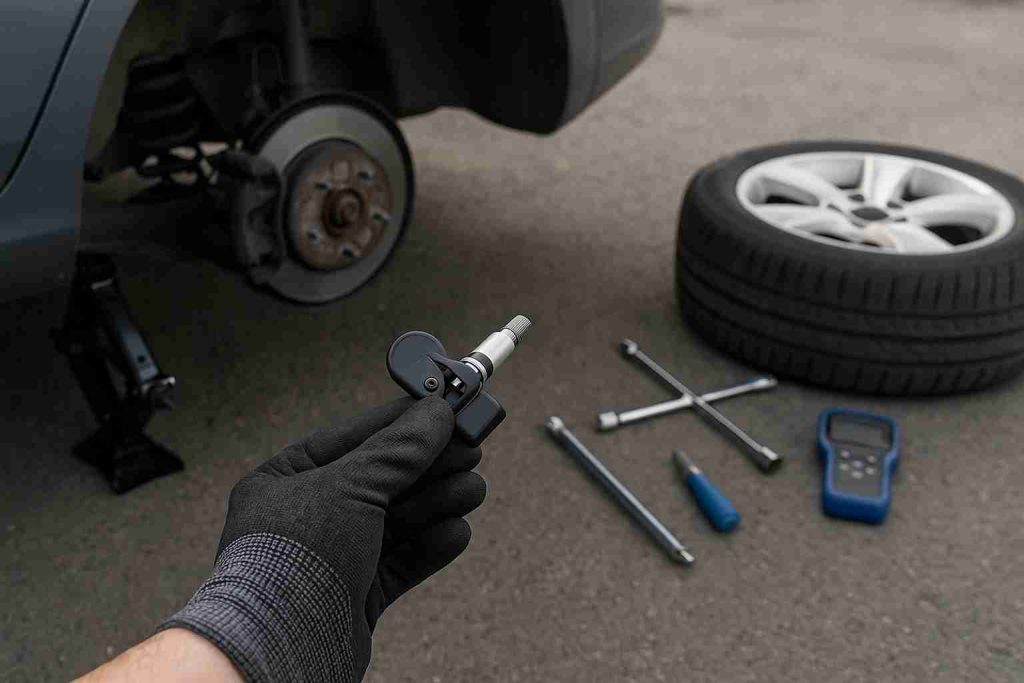
Table of Contents
Why TPMS Sensors Matter for DeSoto Drivers
TPMS sensors are crucial for safe driving, especially in DeSoto’s hot summers and unpredictable weather. Low tire pressure can lead to blowouts, poor gas mileage, or uneven tire wear. These sensors send a warning light to your dashboard when something’s wrong. Keeping them in good shape ensures you avoid breakdowns and extend tire life.
What Are TPMS Sensors and How Do They Work?
TPMS sensors are small electronic devices inside your tires, usually attached to the valve stem. They measure air pressure and sometimes temperature, sending data to your car’s computer.
When pressure drops below a safe level, a warning light appears on your dashboard. This helps you fix issues before they cause bigger problems, like flat tires on DeSoto’s busy roads.
Signs Your TPMS Sensors Need Replacing
Knowing when your TPMS sensors are failing saves you from driving on unsafe tires. Here are common signs to watch for:
- Dashboard Warning Light Stays On: If the TPMS light doesn’t go off after inflating tires, the sensor might be dead.
- Inaccurate Readings: If your tire pressure gauge shows different numbers than your car’s system, the sensor could be faulty.
- No Warning at All: If you find a flat tire but didn’t get a dashboard alert, the sensor may not be working.
- Old Sensors: Most TPMS sensors last 5–10 years or about 60,000 miles, so age could be the issue.
Checking these signs early prevents bigger headaches, like getting stranded in DeSoto traffic.
Can You Replace TPMS Sensors Yourself?
Yes, you can replace TPMS sensors yourself if you have the right tools, some mechanical know-how, and patience. However, it’s not as simple as changing a tire, and mistakes can damage your tires or sensors.
For DeSoto drivers, doing it yourself might save money upfront. But if you’re unsure, a mobile mechanic in DeSoto can handle it quickly, saving you time and stress.
Tools and Supplies You’ll Need
Before starting, gather these tools to make the job easier:
- New TPMS Sensors: Buy sensors compatible with your car’s make and model. Check your owner’s manual or ask at an auto parts store in DeSoto.
- Tire Iron and Jack: To remove the wheel safely.
- Torque Wrench: To tighten lug nuts properly without damaging the wheel.
- Valve Stem Tool: To remove and install the valve stem.
- TPMS Reset Tool or Scan Tool: To reprogram the new sensor to your car’s system.
- Tire Pressure Gauge: To check pressure after installation.
- Breaker Bar: Helpful for stubborn lug nuts.
- Gloves and Safety Glasses: To stay safe while working.
Having the right tools is key to avoiding frustration. If you don’t own these, the cost of buying them might outweigh DIY savings.
Step-by-Step Guide to Replacing TPMS Sensors Yourself
Follow these steps carefully to replace a TPMS sensor at home. Always work in a safe, flat area like your DeSoto driveway.
- Park and Prepare: Park your car on a level surface, turn on the parking brake, and gather all tools. Check your car’s manual for specific TPMS details.
- Lift the Car: Use a jack to lift the wheel off the ground. Place a jack stand for extra safety.
- Remove the Wheel: Use a tire iron to loosen lug nuts, then take the wheel off.
- Deflate the Tire: Release air from the tire using a valve stem tool. This makes it easier to access the sensor.
- Remove the Old Sensor: Break the tire bead (the edge sealing the tire to the rim) using a tire machine or carefully with a breaker bar. Remove the old sensor from the valve stem.
- Install the New Sensor: Attach the new TPMS sensor to the valve stem, ensuring it’s secure. Use a torque wrench to tighten it to the manufacturer’s specs.
- Reassemble the Tire: Reseat the tire bead, inflate the tire to the recommended pressure, and check for leaks.
- Reinstall the Wheel: Put the wheel back on, tighten lug nuts by hand, lower the car, then use a torque wrench to finish tightening.
- Program the Sensor: Use a TPMS reset tool or scan tool to sync the new sensor with your car’s system. Some cars do this automatically, but check your manual.
- Test the System: Drive a short distance in DeSoto to ensure the TPMS light is off and the sensor works.
Take your time with each step to avoid damaging your tire or new sensor. If any step feels tricky, it’s okay to stop and call for help.
Common Mistakes to Avoid
DIY TPMS replacement can go wrong if you’re not careful. Here are pitfalls to steer clear of:
- Buying the Wrong Sensor: Not all sensors work with every car. Double-check compatibility.
- Over-Tightening: Too much force can break the valve stem or sensor.
- Skipping Programming: If the sensor isn’t synced, your TPMS light will stay on.
- Ignoring Safety: Always use a jack stand and work on flat ground to prevent accidents.
- Damaging the Tire Bead: Be gentle when breaking the tire bead to avoid costly tire repairs.
Avoiding these mistakes keeps the job smooth and your car safe on DeSoto roads.
When to Call a Mobile Mechanic in DeSoto
Replacing TPMS sensors yourself isn’t for everyone. Here’s when to call a professional:
- No Tools or Experience: If you lack the right tools or aren’t comfortable working on cars, a pro saves time.
- Complex Vehicles: Some cars, like luxury models, need special tools or programming.
- Time Constraints: If you’re busy, a mobile mechanic in DeSoto can come to you, fixing the issue fast.
- Multiple Sensors Failing: If all four sensors need replacing, a pro ensures they’re all done right.
Mobile mechanics bring expertise and convenience, letting you focus on your day while they handle the repair.
Benefits of Keeping TPMS Sensors in Top Shape
Working TPMS sensors offer big advantages for DeSoto drivers. Here’s what you gain:
- Safer Driving: Properly inflated tires reduce the risk of blowouts or skids.
- Better Gas Mileage: Correct tire pressure means your car uses less fuel.
- Longer Tire Life: Even pressure prevents uneven wear, saving you money on new tires.
- Peace of Mind: Knowing your tires are safe lets you drive confidently on DeSoto’s highways.
Maintaining your TPMS system keeps your car reliable and your wallet happy.
How Much Does TPMS Sensor Replacement Cost?
If you do it yourself, expect to spend $20–$50 per sensor, plus tools if you don’t own them. A full set of four sensors could cost $80–$200, not counting a reset tool ($20–$100).
Professional replacement in DeSoto typically costs $50–$100 per sensor, including labor and programming. Mobile mechanics may charge slightly more for convenience but save you the trip to a shop.
Pro Tips for DeSoto Drivers
Keep your TPMS system running smoothly with these tips:
- Check Tire Pressure Monthly: Use a gauge to catch issues early, especially in DeSoto’s heat.
- Inspect Valve Stems: Look for cracks or leaks when checking pressure.
- Replace Batteries: Some sensors have replaceable batteries; check your manual.
- Drive Carefully: Avoid potholes on DeSoto roads to protect sensors and tires.
- Keep Your Manual Handy: It has specific TPMS info for your car.
These habits extend sensor life and keep your car ready for DeSoto’s roads.
DIY vs. Professional: What’s Best for You?
Deciding between DIY and professional help depends on your skills, tools, and time. DIY saves money but takes effort and risks mistakes.
A mobile mechanic in DeSoto offers speed, expertise, and convenience, especially if you’re unsure or busy. Weigh your comfort level and budget to choose the best option.
Final Thoughts
Replacing TPMS sensors yourself is possible with the right tools and care, but it’s not a simple job. For DeSoto drivers, keeping these sensors working ensures safer drives, better gas mileage, and longer tire life.
If you’re ready to tackle it, follow the steps above and avoid common mistakes. If you’d rather skip the hassle, a mobile mechanic in DeSoto can get the job done fast, letting you hit the road worry-free.
FAQs
How much to replace one TPMS sensor in DeSoto?
In DeSoto, a single TPMS sensor usually costs $50–$150 for parts, plus $50–$100 labor if done by a pro. DIY parts are cheaper ($20–$50) but tools add up.
Can I replace a TPMS sensor myself in DeSoto?
Yes, if you have basic tools (jack, torque wrench, valve stem tool, TPMS reset tool) and some mechanical know-how, you can DIY. Otherwise, a mobile mechanic is easier.
What tools are needed for TPMS sensor replacement?
You’ll need a jack, lug wrench, torque wrench, valve‑stem tool, TPMS reset or scan tool, tire gauge, gloves, and safety glasses.
Why is my TPMS light still on after new sensor?
If the TPMS light stays on, it might need reprogramming, be incompatible, or faulty. Make sure it’s synced and placed correctly, or call a mechanic.
How long do TPMS sensors last in cars?
TPMS sensors last about 5–10 years or 60,000 miles. When their internal batteries die or readings go off, it’s time to replace them.
Is programming needed after TPMS replacement?
Yes—most cars need the new sensor programmed or synced with a TPMS or scan tool. Some vehicles reset automatically.
Can one bad TPMS sensor affect others?
Yes—if one sensor fails (like a dead battery), others might soon fail. It’s smart to check all or replace them together if one is bad.
Should I call a mobile mechanic for TPMS issues?
If you lack tools or time, have complex sensors, or need fast service at home in DeSoto, a mobile mechanic is a smart, convenient choice.