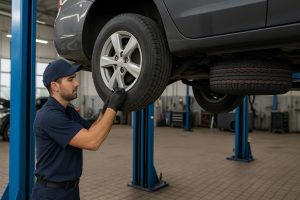
If your vehicle has an ignition interlock device a breathalyzer system that prevents the engine from starting if alcohol is detected on your breath you might be unsure how routine repairs or diagnostics will work. Many drivers wonder: Can a mechanic even work on my car with this installed? The short answer is yes. But it takes a bit more planning, coordination, and know-how.
One smart step we always recommend is calling your interlock provider before any service begins. It’s a simple move that helps prevent accidental lockouts and keeps things running smoothly for both you and the mechanic.
Whether you’re concerned about basic maintenance, electrical diagnostics, or major repairs, this guide will walk you through exactly how mechanics handle interlock-equipped vehicles safely and legally.

Table of Contents
What Is an Ignition Interlock Device?
An ignition interlock device (IID) is a small machine connected to your car’s starter system. It requires the driver to blow into a breathalyzer before the vehicle starts. If alcohol is detected, the car won’t start. These devices are often court-ordered following a DUI charge, and they’re designed to prevent repeat offenses.
The system logs test results, records missed retests, and may include a camera or GPS tracking, depending on local regulations. For most people, the interlock period lasts several months or more, which means there’s a good chance you’ll need vehicle service during that time.
Why Mechanics Need Special Handling With Interlocks
Working on a car with an interlock isn’t the same as working on any other car. Mechanics need to be aware that every time the car is started—or in some cases even turned to accessory mode—it must follow strict testing procedures. Failing to follow these steps can cause:
- A violation on the driver’s record
- A lockout, preventing the car from starting
- A service or reset fee from the interlock provider
This is why both the mechanic and the driver need to communicate clearly before any work begins. With the right steps, it’s a straightforward process. But skipping them can cause big headaches.
Can a Mechanic Work on My Car With an Interlock Installed?
Yes, absolutely. Most interlock-equipped vehicles can be serviced like any other, as long as the mechanic knows the car has an IID and follows the right steps. From oil changes to brake jobs and diagnostics, the device doesn’t block repairs—it just adds some rules.
The mechanic may need to:
- Perform a breath test before starting the engine
- Keep the device in sight during service
- Handle retests if the car is running for long periods
- Contact the interlock provider in advance if battery disconnection or computer access is needed
By working with the device, rather than around it, mechanics can safely complete repairs without risking violations.
Most Common Services Done on Interlock-Equipped Vehicles
Cars with ignition interlock devices still need the same regular services as any other vehicle. Some of the most common ones include:
- Oil changes
- Brake pad replacement
- Battery testing or replacement
- Engine diagnostics
- Coolant flushes
- Belt or hose replacements
- Suspension repairs
- Transmission fluid changes
As long as the shop is informed ahead of time, these services go smoothly. It’s when surprises come up—like a sudden stall or battery disconnect—that problems can arise.
What a Mechanic Needs to Know Before Starting Repairs
Before any work begins, your mechanic needs to understand a few key things:
- That an interlock device is installed
- How to operate the vehicle with the device present
- Whether the repair involves battery, electrical, or computer systems
- If a long engine run time will require a rolling retest
Even a simple job like a tire rotation may require starting the engine to move the car in and out of the shop. If the mechanic doesn’t know about the interlock, they could trigger a violation or damage the device accidentally.
Interlock Device and Vehicle Diagnostics
One of the biggest concerns people have is whether the interlock will interfere with diagnostic scans. The good news? In most cases, diagnostics work just fine with the device installed.
Modern scan tools can read the car’s computer without needing to bypass the interlock. However, if deeper electrical work or software updates are needed, the provider might recommend temporary removal.
Still, for standard check-engine lights, OBD2 scans, or basic troubleshooting, your mechanic can usually plug in and read codes with no issues.
Steps Mechanics Take to Avoid Interlock Violations
Smart mechanics take the following steps to prevent false violations and protect both themselves and their customers:
- Ask about the device before starting
- Perform the initial breath test if the engine must be started
- Avoid disconnecting the battery unless approved
- Notify the driver if a retest prompt appears
- Keep records of test prompts or alerts during service
- Call the interlock provider when unsure
This process avoids accidental lockouts and prevents you from getting blamed for skipped tests or tampering alerts.
Repairs That May Require Temporary Removal
Some vehicle repairs do require the ignition interlock device to be temporarily removed. These include:
- Starter motor replacement
- Major electrical system diagnostics
- PCM (powertrain control module) reprogramming
- Aftermarket alarm or remote start installation
- Hybrid battery servicing
In these cases, the mechanic will usually recommend that you coordinate removal through the interlock provider. This keeps your compliance on track while allowing the work to be done safely and completely.
How Interlock Providers Support Auto Repairs
Your interlock provider plays an important role in smooth car repairs. Most have procedures in place for:
- Pausing service timers during extended repairs
- Authorizing temporary device removal
- Sending service notes to clear false violations
- Giving instructions to mechanics
It’s a good idea to call the provider before dropping off your car, especially if you think the battery might be disconnected or the device unplugged. A five-minute phone call can save you from a locked-out car or unexpected fees.
What You Should Do Before Taking Your Car In
Here are simple steps to follow as the vehicle owner:
- Let the shop know ahead of time that your car has interlock
- Blow into the device yourself before handing off the keys, if possible
- Ask your provider if special instructions are needed
- Leave your phone number with the shop in case a retest prompt comes up
- Request documentation if a violation is logged during service
Clear communication prevents confusion and protects your driving record.
Mistakes That Can Trigger Violations
Avoid these common issues that lead to unintentional interlock violations:
- Handing your keys to a mechanic without warning them
- Letting the battery die during service
- Skipping a required rolling retest during engine idle
- Disconnecting the device without provider approval
- Allowing someone to start your car who hasn’t been trained on the interlock
These mistakes may cause false readings, which are still logged as violations. Always treat your interlock like a sensitive part of your car—it needs respect and routine, just like any other system.
Can You Disconnect a Car Battery With Interlock Installed?
Disconnecting a car battery while an ignition interlock is installed should never be done without provider permission. Doing so can:
- Trigger a tamper alert
- Reset the device, causing a lockout
- Wipe stored data or service logs
- Delay your compliance timeline
If the battery must be replaced or disconnected, call the interlock company first. They may walk your mechanic through a proper shutdown or grant a grace period for the work.
Safety Tips for Mechanics Working Around Interlock
For shops that regularly see interlock-equipped vehicles, these tips help:
- Train techs on how interlocks function
- Keep a breath test manual on hand
- Use remote start only if allowed
- Avoid unplugging any cables near the device
- Call the provider if a problem arises mid-repair
It’s not hard to work on these vehicles—it just takes a little added care and awareness.
How to Protect Yourself From Lockouts or Penalties
To keep your driving status safe during car service:
- Log each breath test and notify your provider if one is missed
- Don’t attempt to bypass or hide the device
- Keep receipts and notes from your mechanic if something goes wrong
- Watch for warning lights or alerts after picking up the car
- Review your interlock report after any shop visit
Even with the best intentions, mistakes can happen. Having records helps protect your case if something looks suspicious later.
Final Thoughts: Make Car Repairs Simple, Even With Interlock
An ignition interlock doesn’t stop you from keeping your vehicle safe and running. It just means being prepared, asking the right questions, and working with professionals who understand how to handle the device.
With the right planning, most repairs are quick, safe, and fully compliant. You’ll avoid lockouts, maintain your good standing, and keep your car in top shape while finishing your interlock program without stress.
If your car needs service, don’t wait. Just be honest, speak up early, and work with a team that respects your situation.
FAQs
Can a mechanic work on a car with an ignition interlock?
Yes. Most mechanics can service a vehicle with an ignition interlock installed. They just need to know it’s there before starting work so they can follow steps to avoid violations and lockouts.