Driving in DeSoto, Texas, can be an enjoyable experience, but it also comes with its fair share of driving hazards. Potholes, ongoing construction projects, and general road wear can cause serious damage to your vehicle’s suspension, leading to costly repairs. In this article, we’ll dive into the most common driving hazards in DeSoto and its surrounding areas, how they impact your car’s suspension, and most importantly, what you can do to protect your vehicle. Our goal is to provide practical solutions, so you can drive safely and keep your car in great shape.
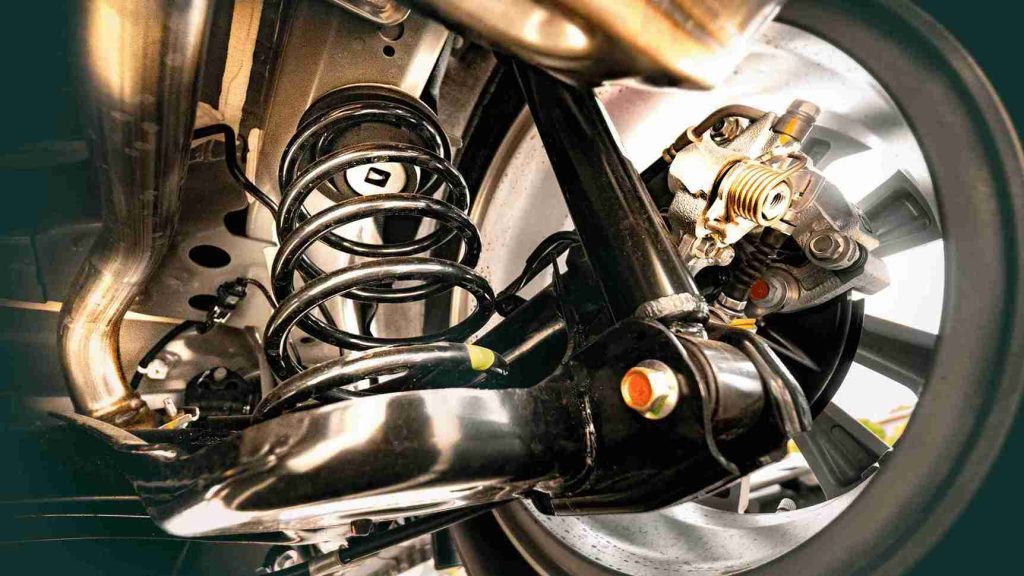
Table of Contents
1. Introduction: DeSoto’s Driving Challenges
DeSoto, TX, is a thriving suburban community with plenty to offer residents and visitors. However, like many growing cities, DeSoto’s infrastructure can sometimes struggle to keep up with the demands of increasing traffic and weather conditions. Potholes, road construction, and deteriorating roads are common problems that drivers face. These hazards can take a toll on your vehicle, particularly the suspension system, which is crucial for a smooth ride and safe driving. In this article, we’ll explore the driving hazards specific to DeSoto and its neighboring areas and provide you with practical tips to safeguard your suspension.
2. Common Driving Hazards in DeSoto
Before diving into the specifics of suspension protection, it’s important to understand the driving hazards that are particularly common in DeSoto and its surrounding areas. These hazards include:
Potholes: Potholes are a common issue on roads throughout DeSoto, especially in older neighborhoods. The Texas climate, with its combination of intense summer heat and occasional heavy rains, can cause the asphalt to crack and weaken, leading to the formation of potholes. Potholes not only cause discomfort when driving but can also result in significant damage to your car’s suspension system if you hit one at high speed.
Road Construction: Ongoing road construction is another frequent challenge in DeSoto. While these projects are necessary for improving the area’s infrastructure, they often come with unexpected changes in road conditions. Construction zones can feature rough, uneven surfaces, loose gravel, and even temporary potholes that might not be immediately visible. Construction zones can create hazardous driving conditions that can easily lead to suspension damage if not navigated carefully.
Poor Road Conditions: In addition to potholes and construction zones, some parts of DeSoto experience general wear and tear on the roads. Uneven surfaces, cracks, and poorly patched areas can make driving uncomfortable and, over time, may cause suspension issues if regularly driven over.

3. Understanding Your Vehicle’s Suspension System
To better understand how driving hazards affect your car, it’s important to know how your vehicle’s suspension system works. This section will explain the role of the suspension system and why it’s so critical for safe driving.
What is the Suspension System?
Your vehicle’s suspension system consists of a combination of components, including springs, shock absorbers, struts, and control arms. These parts work together to keep your tires in contact with the road, absorb shock from bumps and uneven surfaces, and provide stability while driving.
How Suspension Affects Your Drive
The suspension system plays a crucial role in providing a smooth and stable ride. It helps reduce the impact of bumps and potholes, ensuring that your vehicle stays level and easy to control. A well-functioning suspension system also contributes to better handling, braking, and tire wear, which are essential for your vehicle’s overall performance and safety.
4. The Impact of Potholes on Your Suspension
Potholes are one of the most significant hazards drivers in DeSoto face. When you hit a pothole, the shock is transferred to your car’s suspension system. Over time, repeated impacts with potholes can cause serious damage to the suspension, affecting its ability to perform its job.
Why Potholes Are Dangerous
Potholes can cause a sudden jolt to your vehicle, which can damage the suspension’s springs, shock absorbers, and other critical components. This damage can lead to poor handling, uneven tire wear, and difficulty maintaining control of your vehicle.
Identifying Suspension Damage Caused by Potholes
There are several signs that your suspension may have been damaged by potholes:
- Unusual Noises: If you hear clunking or banging sounds when driving over bumps, it could indicate that a suspension component has been damaged.
- Uneven Tire Wear: A damaged suspension can cause your tires to wear unevenly, leading to the need for premature tire replacements.
- Rough Ride: If your vehicle feels bouncy or unstable when driving, this could be a sign that your suspension isn’t functioning properly.
- Pulling to One Side: If your car pulls to one side or has difficulty staying straight on the road, the suspension might be misaligned due to pothole damage.
5. How Construction Zones Affect Your Vehicle
Construction zones are common sources of road hazards. While necessary for the city’s growth and improvement, they can be difficult to navigate and often include temporary surfaces that aren’t well-maintained. These areas present unique challenges to your vehicle’s suspension system.
Construction-Related Hazards
Construction zones can feature:
- Uneven Surfaces: Temporary patches, gravel, or even dirt roads may cause instability, leading to sudden shocks to the suspension.
- Narrow or Shifting Lanes: Construction often narrows lanes or forces vehicles to change lanes quickly, increasing the risk of hitting obstacles or uneven surfaces.
- Loose Debris: Construction areas may have loose gravel or construction materials that can damage tires and suspension components if struck.
Protecting Your Suspension Around Construction Areas
When driving through construction zones, take the following steps to protect your suspension:
- Reduce Speed: Slowing down will reduce the impact on your suspension when driving over uneven surfaces.
- Avoid Gravel: Try to steer clear of loose gravel or debris that could cause damage to your suspension.
- Stay Alert: Watch for signs indicating upcoming rough terrain or temporary road conditions. This will help you react more effectively.
6. What You Can Do to Protect Your Suspension
While you can’t control the condition of the roads, there are several steps you can take to minimize the damage to your suspension and ensure your vehicle stays in top shape.
Regular Vehicle Maintenance
Routine maintenance is key to keeping your suspension system in good condition. Regularly inspect your car’s suspension components for signs of wear and tear, and have them replaced or repaired as necessary.
Driving Tips for Rough Roads
- Avoid Speeding Over Bumps: Always slow down when approaching rough patches, potholes, or construction zones. A slower speed will reduce the impact on your suspension.
- Steer Carefully: Try to maneuver around potholes and obstacles rather than driving over them directly. If you can’t avoid them, ensure that you approach them at a slight angle.
- Use Proper Tire Pressure: Keep your tires properly inflated to ensure that they absorb shock effectively and reduce the strain on your suspension.
How to Avoid Major Hazards
- Know Your Routes: Be aware of areas in DeSoto and the surrounding region that are prone to potholes or construction. Use tools like Google Maps or local traffic apps to check road conditions before heading out.
- Drive Defensively: Always be prepared for unexpected changes in road conditions, especially in construction zones. Defensive driving can help you avoid sudden impacts.
7. Signs Your Suspension Needs Attention
If you suspect that your suspension has been damaged, it’s important to recognize the signs early. Some of the common indicators of suspension issues include:
- Excessive Bouncing: If your car bounces up and down excessively when you drive over bumps, it may indicate a problem with the shock absorbers or struts.
- Unusual Noises: Clunking, squeaking, or grinding noises while driving are red flags that something may be wrong with your suspension system.
- Difficulty Steering: If your car pulls to one side or feels harder to steer, your suspension system may be misaligned or damaged.
8. The Importance of Suspension Repair and Replacement
If you notice any of the signs above, it’s important to have your suspension checked and repaired as soon as possible. Ignoring suspension problems can lead to unsafe driving conditions, increased repair costs, and further damage to your vehicle.
9. Conclusion: Stay Safe and Protect Your Vehicle in DeSoto
Driving in DeSoto can be challenging due to common hazards like potholes, construction zones, and poor road conditions. These factors can take a toll on your car’s suspension system, but by staying informed and following preventive measures, you can protect your vehicle from costly repairs and ensure a smooth ride. Regular maintenance, careful driving, and staying alert to road conditions will help keep your suspension in great shape, so you can enjoy safe and hassle-free driving in DeSoto and beyond. If you’re looking for reliable DeSoto mobile mechanic services to help with suspension repairs and maintenance, visit DeSoto Mobile Mechanic for professional assistance.
FAQ
How do potholes in DeSoto affect my car’s suspension?
Potholes in DeSoto can cause significant damage to your vehicle’s suspension system. Hitting a pothole can lead to issues like misalignment, damaged shock absorbers, and bent rims, resulting in a rough ride and potential safety hazards.
What are the common road construction areas in DeSoto impacting driving?
Areas like Belt Line Road and Pleasant Run Road in DeSoto are frequently under construction, leading to uneven surfaces, lane closures, and increased risk of suspension damage due to sudden changes in road conditions.
How can I protect my car’s suspension from road hazards in DeSoto?
To protect your car’s suspension in DeSoto, avoid sudden braking over potholes, slow down when approaching construction zones, maintain proper tire pressure, and ensure regular maintenance checks for early detection of potential issues.
What signs indicate suspension damage after driving over a pothole?
Signs of suspension damage include unusual noises like clunking sounds, a rough or bouncy ride, uneven tire wear, and difficulty steering. If you notice any of these symptoms, it’s advisable to have your suspension system inspected promptly.
Where can I get suspension repair services in DeSoto, TX?
In DeSoto, TX, services like Gillette Automotive Inc. offer comprehensive suspension repairs, including shock absorber replacement, alignment services, and suspension inspections to ensure your vehicle’s safety and performance.
How often should I have my vehicle’s suspension system inspected?
It’s recommended to have your vehicle’s suspension system inspected at least once a year or if you notice any signs of wear, such as a rough ride or unusual noises. Regular inspections help in early detection and prevention of major issues.
Can driving habits influence suspension wear in DeSoto?
Yes, aggressive driving habits like speeding over bumps, sudden braking, and sharp turns can accelerate suspension wear. Adopting smooth driving practices can extend the lifespan of your vehicle’s suspension system.
What should I do if I encounter a large pothole in DeSoto?
If you encounter a large pothole in DeSoto, try to steer around it safely without swerving abruptly. If avoidance isn’t possible, slow down before hitting it to minimize impact. Afterward, inspect your vehicle for any immediate signs of damage.
Are there any local resources to report road hazards in DeSoto?
Yes, residents can report road hazards like potholes and construction issues to the City of DeSoto’s Street Department via their official website or by calling 972-274-CITY (2489).
How does suspension damage affect vehicle safety?
Suspension damage can compromise vehicle stability, leading to poor handling, increased stopping distances, and uneven tire wear. This can significantly affect driving safety, especially on uneven or damaged roads.