Living in Dallas, TX, means you experience some of the most varied weather conditions in the country. From sweltering summers with temperatures soaring above 100°F to cooler winter mornings that can catch you off guard, your vehicle’s engine is constantly tested. In this environment, choosing the right coolant is not just a matter of routine maintenance—it’s essential for protecting your car and ensuring smooth performance every day.
Coolant, often known as antifreeze, does more than keep your engine cool. It plays a major role in regulating your car’s temperature, preventing engine damage, and even reducing the risk of expensive repairs. This guide is specifically designed for Dallas drivers who want to learn how to choose the right coolant for their vehicles. Whether you are driving through downtown Dallas or cruising the highways of North Texas, this article explains everything you need to know about coolant selection and maintenance.

Table Of Content
Dallas Weather and Its Effects on Your Vehicle
The Unique Weather Challenges in Dallas: Dallas is known for its distinct weather patterns. Summers in Dallas are notoriously hot, with long stretches of high temperatures and occasional humidity that can make driving even more challenging. Winters, while generally mild compared to northern states, can still bring frosty mornings and unexpected cold snaps. Both extremes can place tremendous stress on your engine.
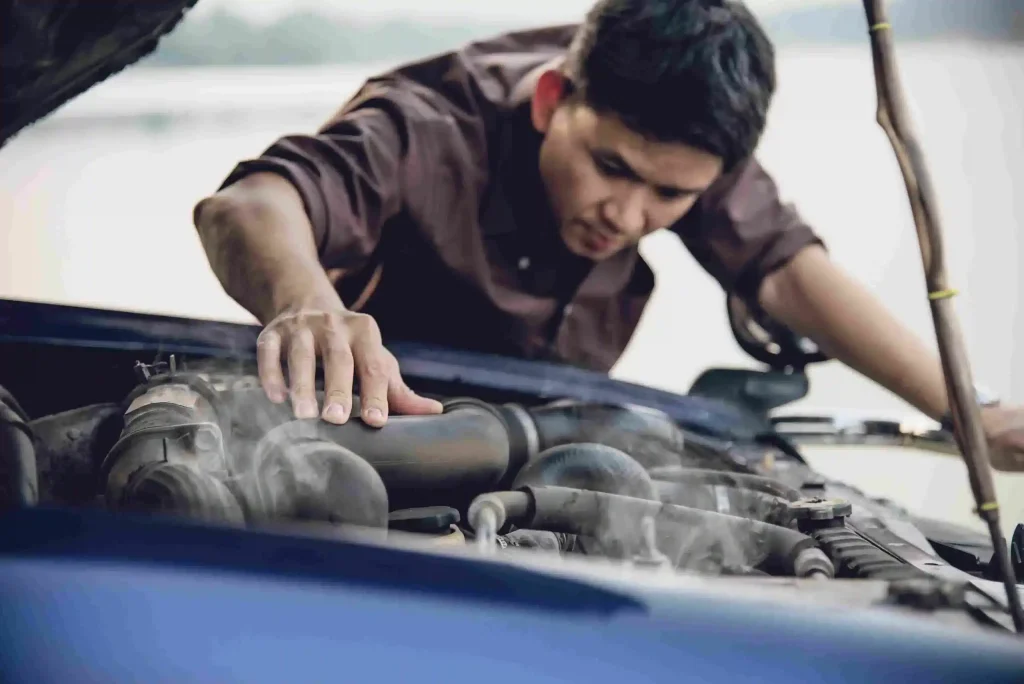
Summer Heat: The Overheating Challenge: In the blazing Dallas summer, your engine works overtime to keep its cool. The heat not only makes the car’s interior uncomfortable but also puts the engine at risk of overheating. Overheating can lead to severe damage, expensive repairs, and even breakdowns in the middle of a busy day. That’s why it’s crucial to select a coolant that can handle these extreme temperatures.
Winter Chill: The Risk of Freezing: Although Dallas is famed for its warm weather, winter can still be unpredictable. Cold temperatures and frost can cause regular coolant to freeze, leading to issues like cracked engine blocks or damaged radiators. Choosing a coolant with excellent freeze protection ensures that your vehicle stays safe even on the coldest mornings.
The Role of Coolant: How It Protects Your Engine
What Exactly Is Coolant?
Coolant is a specially formulated liquid that circulates through your car’s engine, absorbing and dispersing heat to maintain an optimal operating temperature. In addition to regulating temperature, a good coolant prevents corrosion, helps clean the cooling system, and ultimately protects your engine from damage.
Two Main Functions of Coolant
-
- Temperature Control:
-
- Keeps the engine from overheating in extreme Dallas heat.
-
- Prevents freezing during chilly winter mornings
-
- Temperature Control:
-
- Engine Protection:
-
- Stops rust and corrosion from forming on critical engine parts.
-
- Keeps the cooling system free of mineral deposits and other harmful buildups.
-
- Engine Protection:
Using targeted keywords like “Dallas car coolant” and “best coolant for Dallas weather” can help you quickly find products and tips specifically designed for Dallas drivers.
Choosing the Best Coolant for Dallas, TX
When it comes to picking the right coolant for your Dallas vehicle, you need to consider both the local climate challenges and the specific requirements of your car. Below are several important steps to help you make an informed choice.
Understand Your Vehicle’s Needs
Every car is different, and your vehicle’s owner manual is the best starting point. Manufacturers include guidelines for the type of coolant that will work best with your engine. This guidance covers the right mix ratios, chemical compositions, and any special additives your car might need. Always follow these recommendations to keep your engine safe in Dallas weather.
Learn About Different Coolant Types
There are several types of coolant available, and each has its own strengths. Here’s a quick guide to help you understand your options:
-
- Inorganic Acid Technology (IAT):
IAT coolants are usually found in older vehicles. They offer good protection against overheating but need to be changed more often. In Dallas’s harsh summer heat, they might not be the best long-term solution.
- Inorganic Acid Technology (IAT):
-
- Organic Acid Technology (OAT):
OAT coolants are designed for modern engines. They are known for their longevity and are often referred to as “long-life” coolants. They provide excellent protection against both heat and cold, making them a popular choice among Dallas drivers.
- Organic Acid Technology (OAT):
-
- Hybrid Organic Acid Technology (HOAT):
HOAT coolants combine the benefits of both IAT and OAT. They offer robust corrosion protection along with long-lasting performance, which is ideal for the varying conditions in Dallas.
- Hybrid Organic Acid Technology (HOAT):
Using phrases such as “coolant for Dallas TX” and “Dallas weather antifreeze” can help narrow your search when comparing these options.
Focus on Local Climate Considerations
Dallas weather can vary greatly between seasons. When choosing a coolant, focus on these two main aspects:
-
- Heat Resistance:
During the hot summer months, your coolant must remain stable and effective under high temperatures. Look for coolants that explicitly mention high-temperature performance and durability.
- Heat Resistance:
-
- Freeze Protection:
Even though Dallas winters are generally mild, a few cold nights can occur. Make sure the coolant you choose has strong antifreeze properties, so it doesn’t freeze and cause engine damage.
- Freeze Protection:
Ensure Compatibility and Certification
Selecting a coolant that meets your vehicle’s specific requirements is crucial. Always check for certifications and standards mentioned in your owner’s manual. Certified coolants have been tested to meet industry standards for performance and safety, ensuring your vehicle’s cooling system is fully protected under Dallas conditions.
Best Practices for Coolant Maintenance in Dallas
Choosing the right coolant is only part of the equation. Regular maintenance is essential to maximize its benefits. Here are some best practices that every Dallas driver should follow:
1. Regular Coolant Checks
-
- Monitor Coolant Levels:
Check that your coolant is at the recommended level before setting out on long trips or during extreme weather days. Running low on coolant can lead to overheating or freezing, both of which can cause major engine problems.
- Monitor Coolant Levels:
-
- Scheduled Coolant Replacement:
Follow your car manufacturer’s guidelines for changing the coolant. Many modern vehicles suggest a change every 2 to 5 years, but in Dallas, where weather extremes are common, more frequent checks might be necessary.
- Scheduled Coolant Replacement:
-
- Inspect for Leaks and Corrosion:
Regularly examine your engine bay for any signs of coolant leaks or corrosion. Early detection can prevent costly repairs and keep your engine running smoothly.
- Inspect for Leaks and Corrosion:
2. Proper Mixing and Dilution
-
- Stick to the Recommended Ratio:
Most coolants require a mix of 50% coolant and 50% water for optimal performance. Too much water can lower the boiling point, while too much coolant can hinder heat transfer. Always check your coolant container and your vehicle’s manual for the correct ratio.
- Stick to the Recommended Ratio:
3. Avoiding Common Pitfalls
-
- Don’t Mix Different Coolants:
Using different coolant types together can cause chemical reactions that decrease effectiveness and potentially harm your engine. Stick with the type recommended for your vehicle.
- Don’t Mix Different Coolants:
-
- Listen to Your Vehicle:
If your car shows signs of overheating or if you notice a drop in coolant levels, don’t delay in addressing the issue. Quick action can save you time and money in the long run.
- Listen to Your Vehicle:
4. Practical Tips for Dallas Drivers
Whether you’re a DIY enthusiast or prefer professional service, these practical tips can help you maintain your vehicle’s cooling system effectively in Dallas.
5. Getting Advice at Local Auto Stores
- Ask the Experts:
When visiting local auto parts stores or service centers, ask about the best coolant for Dallas weather. Experienced mechanics can provide recommendations based on firsthand knowledge of local conditions. - Read Local Reviews:
Online reviews and Dallas-based forums are valuable resources. Search phrases like “Dallas coolant reviews” or “best coolant for Dallas cars” to see what other drivers recommend. - Choose Trusted Brands:
Opt for coolants from well-known, reliable brands. A trusted brand usually means the product has been thoroughly tested and is built to handle the extreme conditions on Dallas roads.
6. DIY Maintenance for the Enthusiastic Driver
- Flush the Cooling System Regularly:
Over time, debris and impurities can build up in your cooling system. Flushing the system periodically removes these contaminants and ensures the coolant works efficiently. - Monitor Temperature Gauges:
Your vehicle’s dashboard temperature gauge is an important tool. If it starts to rise into dangerous levels, check your coolant and address any issues immediately. - Maintain a Service Log:
Keeping a log of your coolant checks, flushes, and replacements helps you stay on top of your vehicle’s maintenance. This record can prevent unexpected issues and extend the life of your engine.
7. What to Do in an Emergency
Even with regular maintenance, emergencies can happen. Here’s a quick guide on what to do if your engine starts to overheat while driving in Dallas:
- Safely Pull Over:
If your engine temperature spikes, pull over as soon as it is safe. - Turn on the Heater:
Running your heater at full blast can help draw heat away from the engine. - Inspect the Coolant Level:
Once safely stopped, check your coolant level. If it’s low, topping it up may provide a temporary fix until you can get professional help. - Call for Roadside Assistance:
If the problem persists, call for help rather than risking further damage by continuing to drive.
The Benefits of Using the Right Coolant in Dallas
Choosing and maintaining the right coolant offers several important benefits for Dallas drivers:
- Improved Engine Performance: A well-maintained cooling system keeps your engine operating at its ideal temperature. This means smoother performance, better fuel efficiency, and less wear and tear on your engine components, whether you’re navigating busy city traffic or cruising on the highways.
- Lower Repair Costs: Using the correct coolant helps prevent major engine damage. Avoiding overheating or freezing issues reduces the risk of expensive repairs and unexpected breakdowns, ultimately saving you money.
- Enhanced Driver Confidence: Driving in Dallas can be stressful if you’re worried about your engine’s health. A robust coolant system gives you peace of mind, allowing you to focus on the road without distraction.
- Environmental Benefits: When your engine runs efficiently, it uses fuel more effectively and produces fewer emissions. A well-maintained cooling system contributes to a cleaner environment—an important benefit for urban areas like Dallas.
Final Thoughts: Making the Right Choice for Dallas Roads
Selecting the right coolant for your vehicle in Dallas, TX, is more than a maintenance task—it’s a decision that impacts your safety, your wallet, and your overall driving experience. By understanding the unique weather challenges in Dallas, following your vehicle’s specific requirements, and performing regular maintenance, you can ensure your engine stays in peak condition all year long.
This guide has provided practical insights into what coolant does, how it protects your engine, and the key factors to consider when choosing a product that can withstand Dallas weather. With detailed information on coolant types, maintenance tips, and emergency procedures, you’re now well-equipped to make informed decisions that enhance your vehicle’s performance.
Remember, the right coolant is about quality, compatibility, and consistent upkeep. By keeping these factors in mind, you protect your engine from both the harsh summer heat and the occasional winter chill. Enjoy improved performance, lower repair costs, and increased peace of mind on every drive through Dallas.