A flat tire can ruin your day, leaving you stuck on the side of the road or scrambling to find a solution. Whether you’re dealing with a slow leak, a puncture, or a completely damaged tire, knowing how much it costs to fix or replace a flat tire can help you plan and avoid surprises. This article breaks down the costs of tire repairs and replacements, explores factors that affect pricing, and shares practical tips to save money. You’ll learn what to expect at a local tire shop, how to spot a good deal, and ways to prevent flat tires in the future.
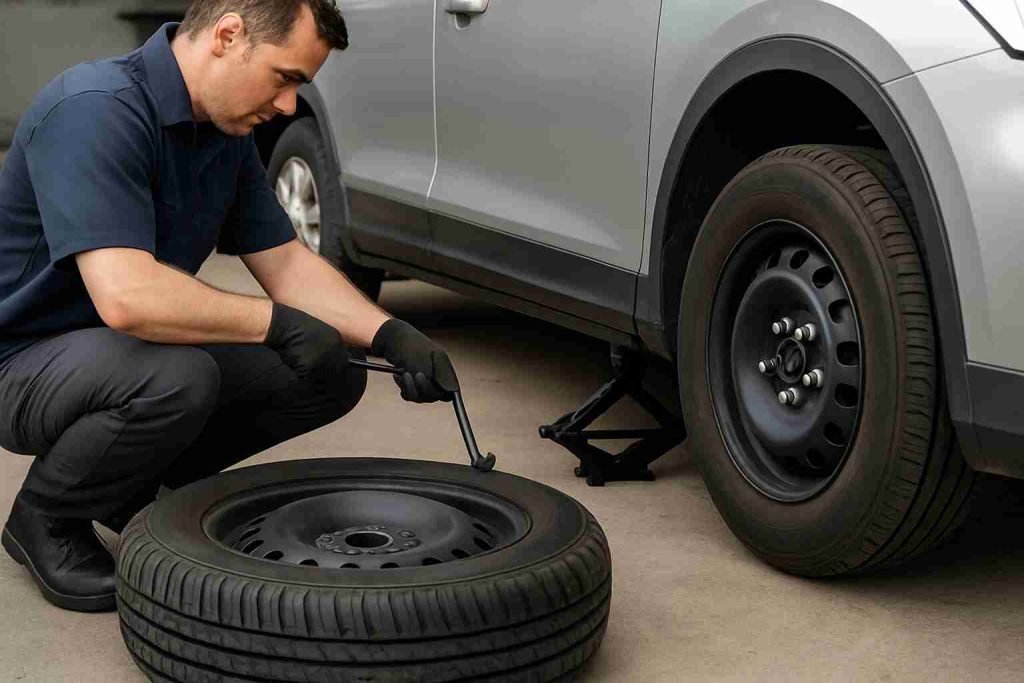
Table of Contents
Why Flat Tires Happen and Why Costs Matter
Flat tires are one of the most common car problems drivers face. A nail, a sharp rock, or even a worn-out tire can leave you stranded. When it happens, the first question most people ask is, “How much will this cost me?” Understanding the costs of fixing or replacing a flat tire helps you make smart decisions, whether you’re in a rush or budgeting for car maintenance.
The price depends on whether the tire can be repaired or needs to be replaced. Repairs are usually less expensive, but not every flat tire can be repaired. Knowing the difference and what affects the price can save you time, money, and stress. Plus, finding a reliable local tire shop can make the process easier and more affordable. Let’s dive into the details of what you’ll pay and why.
Common Causes of Flat Tires
Before we talk about costs, it’s helpful to know why flat tires happen. Here are the most common reasons:
- Punctures: Nails, screws, or glass can pierce the tire, causing air to leak.
- Worn Tread: Old tires with thin tread are more likely to go flat or blow out.
- Damaged Sidewalls: Hitting a curb or pothole can tear the tire’s sidewall, making repair impossible.
- Leaky Valves: A faulty valve stem can cause slow leaks.
- Road Hazards: Debris like rocks or metal can damage tires, especially on rough roads.
Each cause affects whether you can repair or need to replace the tire, which directly impacts the cost. For example, a small puncture might cost $20 to fix, while a torn sidewall means buying a new tire for $100 or more.
How Much Does It Cost to Fix a Flat Tire?
If your tire can be repaired, you’re in luck—it’s usually the cheaper option. Most local tire shops charge between $15 and $50 to fix a flat tire, depending on where you live and the type of repair. Here’s a breakdown of what you might pay and what affects the price.
Types of Tire Repairs
Not all flat tires are fixed the same way. The repair method depends on the damage:
- Patch Repair: For small punctures in the tread (the part that touches the road), shops use a patch on the inside of the tire. This is the most common fix and costs $15–$30.
- Plug Repair: A rubber plug seals the hole from the outside. It’s quicker but less reliable and costs $10–$20. Some shops avoid plugs because they may not last as long.
- Valve Stem Replacement: If the valve stem is leaking, replacing it costs $20–$50, including labor.
Factors That Affect Repair Costs
Several things can change how much you pay to fix a flat tire:
- Location: Prices are higher in big cities like New York or Los Angeles compared to smaller towns. For example, a $20 patch in rural Ohio might cost $40 in Chicago.
- Shop Type: Chain stores like Discount Tire or Firestone often charge less than dealerships or specialty shops.
- Tire Size: Larger tires, like those on SUVs or trucks, may cost more to repair because they require more materials or labor.
- Urgency: Emergency roadside services can add $50–$100 to the bill compared to driving to a shop.
- Additional Services: Some shops include tire balancing or rotation with repairs, which can raise the price slightly.
When a Tire Can’t Be Repaired
Not every flat tire can be fixed. Shops won’t repair a tire if:
- The puncture is too big (larger than ¼ inch).
- The hole is in the sidewall or shoulder (near the edge of the tread).
- The tire is too worn or damaged to hold a patch safely.
If the tire can’t be repaired, you’ll need to replace it. Let’s look at what that costs.
How Much Does It Cost to Replace a Flat Tire?
Replacing a flat tire is more expensive than fixing one, with costs ranging from $50 to $300 or more per tire. The price depends on the tire type, brand, and where you buy it. Here’s what you need to know about replacement costs and how to keep them low.
Average Tire Replacement Costs
The cost of a new tire varies widely based on your vehicle and preferences:
- Economy Tires: Basic tires for small cars cost $50–$100 each. These are great for budget-conscious drivers.
- Mid-Range Tires: Popular brands like Goodyear or Michelin for sedans or SUVs cost $100–$200 per tire.
- Premium Tires: High-performance tires for sports cars or heavy-duty trucks can cost $200–$400 or more.
- Specialty Tires: Run-flat tires or those for luxury vehicles may start at $250 and go up.
These prices usually include mounting and balancing, but always ask to confirm. Some shops charge extra for these services, adding $10–$25 per tire.
Factors That Affect Replacement Costs
Just like repairs, several things influence the cost of a new tire:
- Vehicle Type: Tires for compact cars are cheaper than those for SUVs, trucks, or luxury vehicles.
- Tire Brand: Well-known brands like Bridgestone or Continental cost more than lesser-known ones like Nexen.
- Tire Size: Larger tires (e.g., 18-inch or 20-inch) are pricier than standard 15-inch tires.
- Shop Location: Urban areas have higher prices than rural ones.
- Seasonal Tires: All-season tires are cheaper than winter or performance tires.
- Warranty or Extras: Some tires come with road hazard warranties, adding $10–$20 to the cost but offering protection against future flats.
Should You Replace One Tire or All Four?
If only one tire is flat, you might wonder if you need to replace all four. Here’s when to replace more than one:
- All-Wheel Drive Vehicles: To avoid damaging the drivetrain, all four tires should have similar tread depth. You may need to replace all four or at least two.
- Uneven Wear: If other tires are worn, replacing all four ensures better handling and safety.
- Budget Tip: If the other tires are in good shape, replacing just one or two is fine for most front- or rear-wheel drive cars.
Replacing all four tires can cost $200–$1,200 or more, so ask your local shop for advice based on your car’s needs.
How to Save Money on Tire Repairs and Replacements
Flat tires are frustrating, but you don’t have to overpay to fix them. Here are practical ways to save money while keeping your car safe.
Shop Around for the Best Price
Prices vary between shops, so compare options in your area:
- Check reviews on Yelp or Google Maps to find trustworthy local shops.
- Call 2–3 shops to ask about repair or replacement costs, including any hidden fees.
Look for Deals and Discounts
Many tire shops offer promotions to attract customers:
- Check websites like Discount Tire or Pep Boys for coupons or seasonal sales.
- Ask about free tire repairs—some shops fix flats for free if you buy tires from them later.
- Look for “buy three, get one free” deals if you need multiple tires.
Use Road Hazard Warranties
Some tires come with warranties that cover repairs or replacements for free or at a discount if you hit a nail or pothole. These cost $10–$20 extra when buying tires but can save you money later. Ask your shop if your tires have this coverage.
Fix It Yourself (If You’re Comfortable)
For small punctures, DIY tire repair kits cost $5–$20 at auto stores or online. They include plugs and tools to seal the hole. However, DIY fixes are temporary, and you should visit a shop for a proper patch. Only try this if you’re confident and the damage is minor.
Maintain Your Tires to Prevent Flats
The best way to save money is to avoid flat tires altogether. Here’s how:
- Check tire pressure monthly using a $5 gauge from any auto store. Low pressure makes tires more likely to puncture.
- Inspect tires for nails or wear before long trips.
- Rotate tires every 6,000–8,000 miles to ensure even wear, costing $20–$50 at most shops.
- Replace tires before they’re too worn—tread depth below 2/32 inches is unsafe and illegal in many states.
What to Expect at a Local Tire Shop
Walking into a tire shop can feel overwhelming if you’re not sure what to expect. Here’s a step-by-step guide to make the process smooth and help you find a reliable shop near you.
How to Choose a Good Tire Shop
Not all shops are equal. Look for these signs of a trustworthy local tire shop:
- Transparent Pricing: Call ahead to ask about repair or replacement costs. Avoid shops that won’t give clear answers.
- Fast Service: Many shops fix flats in 30–60 minutes. Ask about wait times if you’re in a hurry.
- Warranty Offers: Good shops stand behind their work with warranties on repairs or new tires.
What Happens During a Repair or Replacement
Here’s what typically happens when you visit a shop:
- Inspection: The technician checks the tire to see if it can be repaired or needs replacement.
- Quote: You’ll get a price estimate for the repair or new tire, including labor and extras like balancing.
- Work: Repairs take 15–30 minutes, while replacements take 30–60 minutes per tire.
- Payment: You’ll pay at the counter. Ask for a receipt and warranty details.
- Advice: The shop may suggest rotating or aligning your tires to prevent future problems.
Emergency Flat Tire Solutions
Sometimes, a flat tire happens at the worst possible time—like late at night or far from a shop. Here’s what to do if you need a quick fix.
Use a Spare Tire
Most cars come with a spare tire in the trunk. Here’s how to use it:
- Pull over to a safe, flat spot.
- Use your car’s jack, lug wrench, and spare tire (check your manual for locations).
- Remove the flat tire and install the spare. Tighten the lug nuts securely.
- Drive slowly (under 50 mph) and head to a shop for a repair or replacement.
Spare tires are temporary and shouldn’t be used for more than 50–100 miles. Fix the flat tire as soon as possible.
Call Roadside Assistance
If you’re not comfortable changing a tire or don’t have a spare, roadside assistance can help:
- AAA or Insurance: Many plans include flat tire changes or towing for $50–$150 if not covered.
- Mobile Tire Services: Some shops send a van to fix or replace your tire on the spot.
Use a Tire Inflator or Sealant
Portable tire inflators or sealants like Fix-a-Flat cost $10–$30 and can temporarily fix small leaks. They’re great for getting to a shop but aren’t a long-term solution. Follow the product instructions carefully.
How to Prevent Flat Tires in the Future
Nobody wants to deal with flat tires again and again. These simple habits can keep your tires in great shape and reduce the chance of going flat.
Regular Tire Maintenance
- Check Pressure: Use a tire gauge monthly to ensure proper inflation (check your car’s manual or door sticker for the right PSI).
- Inspect Tires: Look for nails, cuts, or uneven wear weekly.
- Rotate Tires: Every 6,000–8,000 miles, rotate tires to extend their life.
- Align Wheels: If your car pulls to one side, get an alignment for $50–$100 to prevent uneven tire wear.
Drive Smart
- Avoid potholes, curbs, and debris when possible.
- Slow down on rough roads to reduce the risk of punctures.
- Don’t overload your vehicle, as extra weight can strain tires.
Invest in Quality Tires
Higher-quality tires from brands like Michelin or Goodyear last longer and resist punctures better than cheap ones. While they cost more upfront, they save money over time by reducing flats and replacements.
Final Thoughts: Be Prepared and Save Money
A flat tire doesn’t have to wreck your day or your budget. By understanding the costs—$15–$50 for repairs or $50–$300+ for replacements—you can make smart choices and avoid overpaying. Regular tire maintenance and smart driving habits can prevent flats, saving you time and money in the long run.
Next time you’re stuck with a flat, you’ll know exactly what to do. Keep a spare tire or inflator in your car, check your tires regularly, and don’t panic. With the right knowledge, you can get back on the road quickly, safely, and without breaking the bank.
FAQs
How much does it cost to fix a flat tire?
Fixing a flat tire usually costs $15–$50 at most local shops. Prices depend on your location, repair type, and if other services like balancing are added.
Can I drive with a flat tire?
Driving on a flat tire can damage your wheel and car. It’s unsafe. Pull over right away and use a spare tire or call roadside help to avoid more costs.
How long does it take to fix a flat tire?
Fixing a flat tire takes 15–30 minutes. Replacing it may take 30–60 minutes, depending on the tire and the shop’s schedule or available technicians.
When should I replace a flat tire?
Replace a flat tire if it has sidewall damage, a large hole, or very low tread. Patching won’t work in these cases and could be dangerous.
Is it better to patch or plug a tire?
Patches are safer and last longer than plugs. Plugs are faster but not always reliable. Some shops use both to make a better, longer-lasting seal.
How much does it cost to replace a flat tire?
A new tire costs $50–$300 depending on brand, size, and car type. Luxury or large vehicle tires usually cost more. Ask shops for full pricing.
What causes flat tires most often?
Most flats happen from nails, potholes, or low tread. Hitting curbs or driving with low pressure also increases your chance of getting a flat tire.
Can I fix a flat tire myself?
Yes, with a $5–$20 kit. But DIY fixes are temporary. Visit a tire shop soon for a proper repair to stay safe and avoid more damage while driving.
Are flat tire repairs covered by warranty?
Some tires have road hazard warranties that cover flat repairs. Ask when you buy tires or check your paperwork to see if your tire is protected.
How can I prevent getting a flat tire?
Keep tires inflated, avoid potholes, and check for nails or wear. Rotate tires every 6K–8K miles and replace old tires to prevent flats before they start.