Replacing tires is a routine part of car maintenance, but many drivers wonder why mechanics often suggest putting new tires on the rear axle instead of the front. This choice isn’t random—it’s based on safety, vehicle control, and performance. Knowing why new tires go on the rear helps you make smart decisions to keep your car stable, avoid accidents, and enjoy a smoother ride. In this article, we’ll explain the reasons behind this practice, dive into how it works, and highlight the benefits for you as a driver.
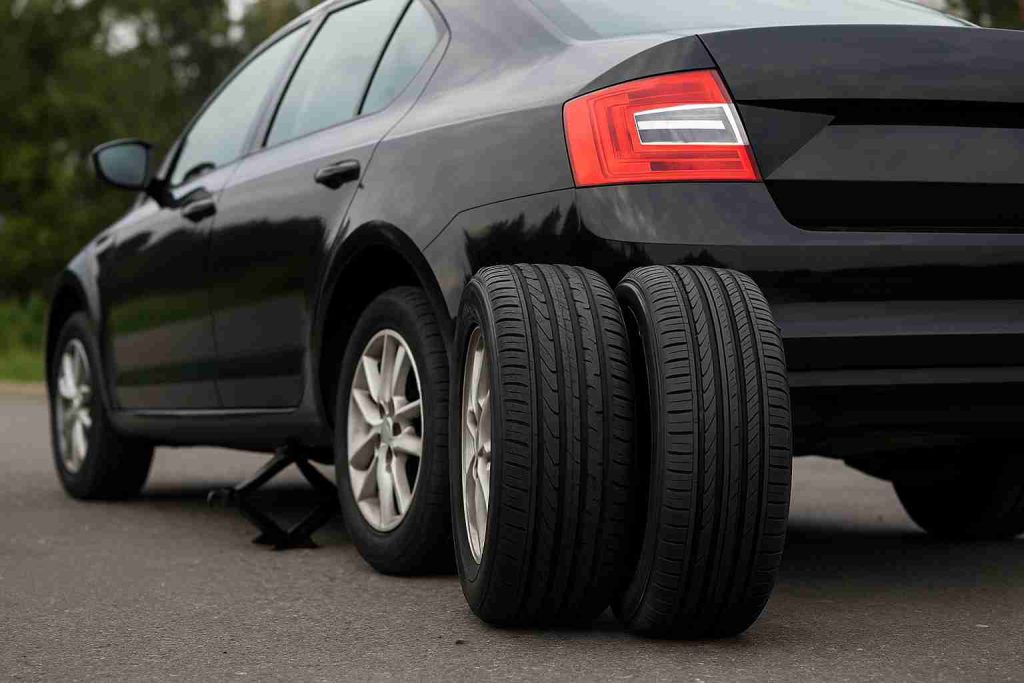
Table of Contents
How Tire Placement Affects Your Driving
Tire placement isn’t just about where the tires sit it directly impacts how your car handles on the road. Putting new tires on the rear axle is a standard recommendation because it keeps your car safer and more stable, especially during rain, snow, or sharp turns.
Tires and Vehicle Control
Your tires are the only part of your car touching the road, so their condition matters a lot. New tires have deeper treads, which grip the road better than worn ones, especially on wet or slippery surfaces. This grip, called traction, helps your car stay steady when you speed up, slow down, or turn. Worn rear tires can lose traction, leading to dangerous situations like skidding (when the back of the car slides out) or hydroplaning (when tires slip on wet roads).
By putting new tires on the rear, you give the back of your car the best grip possible. This keeps your vehicle balanced and easier to control, no matter the road conditions.
Why Rear Tires Matter for Stability
You might think front tires are more important since they steer, but rear tires are just as key for keeping your car stable. If rear tires are worn, the back of your car can slide out unexpectedly, especially in turns or on slick roads. This is called oversteer, and it’s tougher to fix than understeer (when front tires lose grip). New tires on the rear prevent oversteer by providing better traction, helping you stay in control.
For instance, on a rainy day, worn rear tires are more likely to slip during turns or sudden stops. New tires on the rear reduce this risk, making your car handle predictably.
The Mechanics of New Tires on the Rear
To get why new tires go on the back, let’s look at how cars work. Whether you drive a front-wheel-drive, rear-wheel-drive, or all-wheel-drive car, the logic behind tire placement comes down to physics and safety.
Traction and Weight Balance
Traction depends on tire tread and the weight pushing the tire onto the road. New tires have deeper treads that grip better by channeling water away. In many cars, especially front-wheel-drive ones, the front axle carries more weight because of the engine. Less weight on the rear means less natural traction, so new tires on the back help maximize grip where it’s needed.
In rear-wheel-drive cars, the rear tires push the car forward. Worn rear tires struggle to transfer power, especially in wet or snowy conditions, which can cause wheel spin or skids. New rear tires ensure better power delivery and stability.
Handling Wet Roads
Hydroplaning occurs when water gets trapped between tires and the road, causing a loss of grip. Worn tires with shallow treads can’t push water away well, increasing this risk. Since rear tires follow the front ones, they often hit wetter patches of road. New rear tires with deep treads handle this better, reducing the chance of skidding.
Emergency Maneuvers
In emergencies, like swerving to avoid something on the road, your rear tires need to stay planted to prevent spinning out. Worn rear tires are less likely to grip during sudden moves, raising the risk of a crash. New tires on the rear provide the traction needed to keep your car stable, giving you better control when seconds count.
What You Gain from New Tires on the Rear
Putting new tires on the rear solves real problems and delivers clear benefits. Here’s how it helps you as a driver.
Safer Driving
The biggest advantage is safety. New rear tires lower the chance of losing control in bad weather or during sudden maneuvers. Whether you’re driving on a wet highway or dodging a road hazard, better rear traction keeps your car steady, reducing accident risks.
Smoother Handling
Worn tires can make your car feel shaky or hard to control, especially in turns. New rear tires improve handling, making your car feel more responsive and stable. This leads to a smoother, more comfortable ride.
Longer Tire Life
When replacing only two tires, proper placement and rotation can stretch their lifespan. By putting new tires on the rear and later rotating them to the front, you balance wear across all four tires. This saves money by delaying the need for a full set of new tires.
Confidence in Any Weather
Whether it’s rain, snow, or ice, new rear tires give you peace of mind. You can drive without worrying about whether your car will handle well in tough conditions, making every trip less stressful.
Does Your Car Type Change the Rule?
The advice to put new tires on the rear applies to most vehicles, but the reasons vary slightly based on your car’s drivetrain. Here’s how it works for different types.
Front-Wheel-Drive Cars
In front-wheel-drive cars, the front tires handle steering, acceleration, and most braking, so they wear out faster. You might think new tires should go on the front to improve steering, but this can make the rear less stable. New tires on the rear keep the back of your car steady, reducing the risk of skids.
Rear-Wheel-Drive Cars
For rear-wheel-drive cars, the rear tires push the car forward, so they need good traction to work well. Worn rear tires can lead to wheel spin, especially in wet or icy conditions. New tires on the rear improve acceleration and stability.
All-Wheel-Drive Cars
All-wheel-drive cars spread power to all four wheels, so tire wear is more even. Still, new tires on the rear provide better balance and stability, especially in turns or sudden stops. Some all-wheel-drive systems need matching tire treads to avoid drivetrain issues, so check your owner’s manual.
Tire Maintenance Tips for Safety and Savings
Putting new tires on the rear is just one step. Proper tire care keeps your car safe and your tires lasting longer.
Rotate Tires Regularly
Rotate your tires every 5,000 to 8,000 miles to balance wear. Check your owner’s manual for the right rotation pattern, as it varies by car type. For example, front-wheel-drive cars often use a cross-pattern rotation.
Monitor Tire Pressure
Incorrect tire pressure reduces traction and wears tires faster. Check pressure monthly with a gauge and adjust to the level listed in your owner’s manual or on the driver’s door sticker. Don’t skip the spare tire.
Look for Wear or Damage
Check tires regularly for uneven tread, cracks, or punctures. If you spot anything odd, have a mechanic or tire shop inspect them to decide if repair or replacement is needed.
Align and Balance Wheels
Misaligned wheels or unbalanced tires cause uneven wear and poor handling. Get an alignment and balance check when replacing tires or if your car pulls to one side.
What Drivers Experience with New Rear Tires
When you put new tires on the rear, the difference is clear. Drivers often notice:
- Smoother rides: Less shaking and better control in turns.
- Safer wet roads: Less hydroplaning and better grip in rain.
- Fewer surprises: More stability during sudden stops or swerves.
- Tires last longer: Balanced wear means fewer replacements.
For example, John, a delivery driver in Seattle, replaced two tires on his SUV and put the new ones on the rear. “Driving in the rain used to feel risky,” he said. “Now, with new tires on the back, my SUV feels steady, even on wet curves.”
Why Experts Recommend This
Tire companies like Michelin, Bridgestone, and Goodyear, along with safety groups like the National Highway Traffic Safety Administration (NHTSA), support putting new tires on the rear. This practice is proven to improve safety and reduce crash risks. Mechanics see the results of poor tire placement, like skids on wet roads, and consistently advise new tires on the rear for better stability.
Conclusion: Safer Roads with New Rear Tires
Putting new tires on the rear of your car is a simple step that boosts safety, improves handling, and stretches tire life. With better rear traction, you lower the risk of skids, hydroplaning, and loss of control, especially in tough conditions. Whether you’re replacing two tires or maintaining all four, this practice delivers real benefits: a smoother ride, better control, and confidence on the road.
Pair this with regular tire care rotations, pressure checks, and inspections and you’ll enjoy safer, more reliable driving. Next time you’re wondering about tire placement, know that new tires on the rear are about keeping you and your passengers safe for every mile ahead.
FAQs
Should new tires go on the front or back of my car?
New tires should always be placed on the rear axle. This placement helps maintain better traction and stability, especially in wet conditions, reducing the risk of spinning out.
Why put new tires on the rear instead of the front?
Placing new tires on the rear helps prevent oversteer, where the back of the car slides out. It’s harder to control than understeer, making rear placement safer.
Is it safer to have new tires on the back wheels?
Yes, having new tires on the back wheels provides better grip and reduces the chance of losing control, especially during sudden maneuvers or in slippery conditions.
Do all-wheel-drive cars need new tires on the rear?
Yes, even for all-wheel-drive vehicles, placing new tires on the rear axle ensures better stability and prevents potential drivetrain issues due to uneven tire wear.
What happens if I put new tires on the front only?
If new tires are placed only on the front, the worn rear tires may lose traction first, leading to oversteer and potential loss of vehicle control, especially on wet roads.
Can new rear tires prevent hydroplaning?
Yes, new rear tires with deeper tread are better at channeling water away, reducing the risk of hydroplaning and maintaining vehicle stability in wet conditions.
Should I rotate tires to keep new ones on the rear?
Regularly rotating your tires helps ensure even wear. However, when replacing only two, always install the new ones on the rear for optimal safety.
Does tire placement affect car handling in emergencies?
Absolutely. Proper tire placement, with new tires on the rear, ensures better handling and control during emergency situations, reducing the risk of accidents.